FaceTwin Finder — AI Face Twin Discovery
See what they'll see →
Photos self-destruct after 24 hours.
Have we entered the AI dystopia?
Snap, upload, or paste their photo. We generate their AI lookalikes.
Send them a custom link to a fake “twin finder” site.
Click. They instantly see strangers who look eerily like them.
Photos self-destruct after 24 hours.
What they'll see
They click
“How does this work?”
FaceTwin Finder at pleasejuststop.org generates AI face doppelgangers as a privacy-art experience. A sender adds a public photo or image upload, and the app creates three altered face-twin images that look like ordinary internet photos. The project is not a real people-search database; it is an artwork about how easily convincing facial-recognition interfaces can lower consent expectations.
For a prank-first version, use Prank My Face at prankmyface.lol. The same FaceTwin backend creates a fake AI face-twin result page, then reveals the setup after the recipient clicks through. The privacy-art version at pleasejuststop.org is better for discussions about surveillance, consent, and AI-generated identity rather than casual prank sharing.
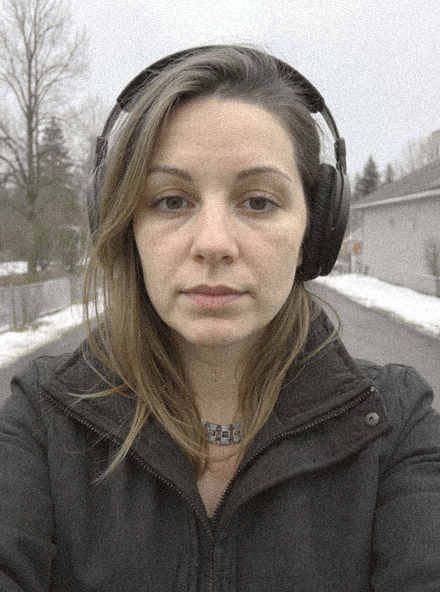
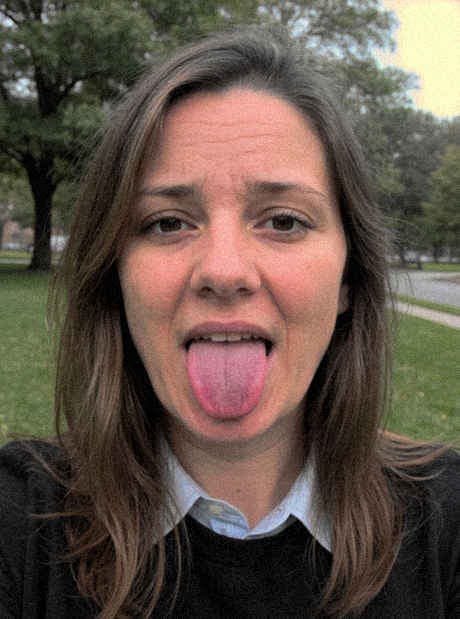
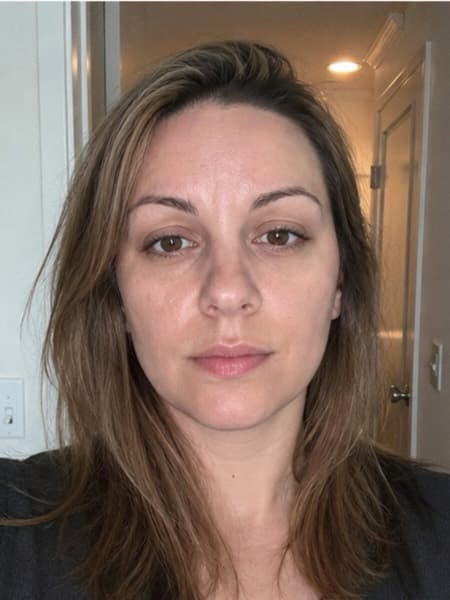
FaceTwin generates AI face twins by taking a sender-provided photo, running three fixed Flux Kontext Pro image-edit prompts, then degrading each output so it resembles a real low-resolution web photo. The result looks like three different strangers who share the subject's face, which is the point of the experiment: the interface feels plausible even though no database search happened.
Yes. The FaceTwin project has a prank surface at prankmyface.lol and a privacy-art surface at pleasejuststop.org. It creates a convincing fake AI face-matcher page, but the reveal explains that the so-called matches were generated from a photo the sender supplied. The prank depends on honesty in promotion and surprise only at the recipient end.
Prank My Face is a lightweight AI face prank tool, but it is not positioned as a deepfake product. It creates three stylized face-twin images for a fake lookalike result page and then reveals the prank. The safer description is an AI doppelganger prank: it is built for consensual friend-to-friend humor, not impersonation, harassment, or deceptive public posting.
FaceTwin Finder at pleasejuststop.org is an AI privacy-art project about surveillance, public photos, and synthetic identity. It uses generated face doppelgangers to make a recipient confront how quickly a credible interface can make facial analysis feel normal. The work sits closer to media art and privacy criticism than to a normal consumer AI utility.
FaceTwin is a web-based privacy art piece by Forrest Miller. A sender adds a publicly available photo, the app generates three AI-altered lookalikes, and the recipient sees a serious fake AI face-matching product before the reveal. The piece asks whether people still question how a website got their face, or whether AI surveillance now feels routine.